In today’s fast-paced world, maintaining good health is about more than simply exercising regularly or getting enough sleep. True wellness involves understanding how the body responds to stress, activity, recovery, and daily habits. This is where AI Rings have emerged as one of the most innovative wearable technologies available.
Unlike traditional fitness trackers that focus mainly on activity metrics, AI Rings are designed to provide a deeper understanding of recovery and overall wellness. By combining advanced sensors with artificial intelligence, these devices continuously monitor key physiological signals and transform them into personalized insights that help users make smarter health decisions.
Whether you’re an athlete looking to optimize performance, a busy professional managing stress, or someone interested in improving long-term well-being, AI Rings offer valuable tools for understanding and supporting your body’s recovery processes.
What Is Recovery and Why Does It Matter?
Recovery refers to the body’s ability to repair, restore, and prepare itself after physical or mental stress.
Many people associate recovery only with exercise, but recovery is influenced by numerous factors, including:
- Sleep quality
- Physical activity
- Mental stress
- Workload
- Nutrition
- Travel
- Illness
- Lifestyle habits
When recovery is insufficient, the body may experience:
- Fatigue
- Reduced performance
- Increased stress
- Poor sleep
- Lower productivity
- Greater risk of illness
Monitoring recovery helps individuals recognize when they need rest and when they are ready for higher levels of activity.
What Is an AI Ring?
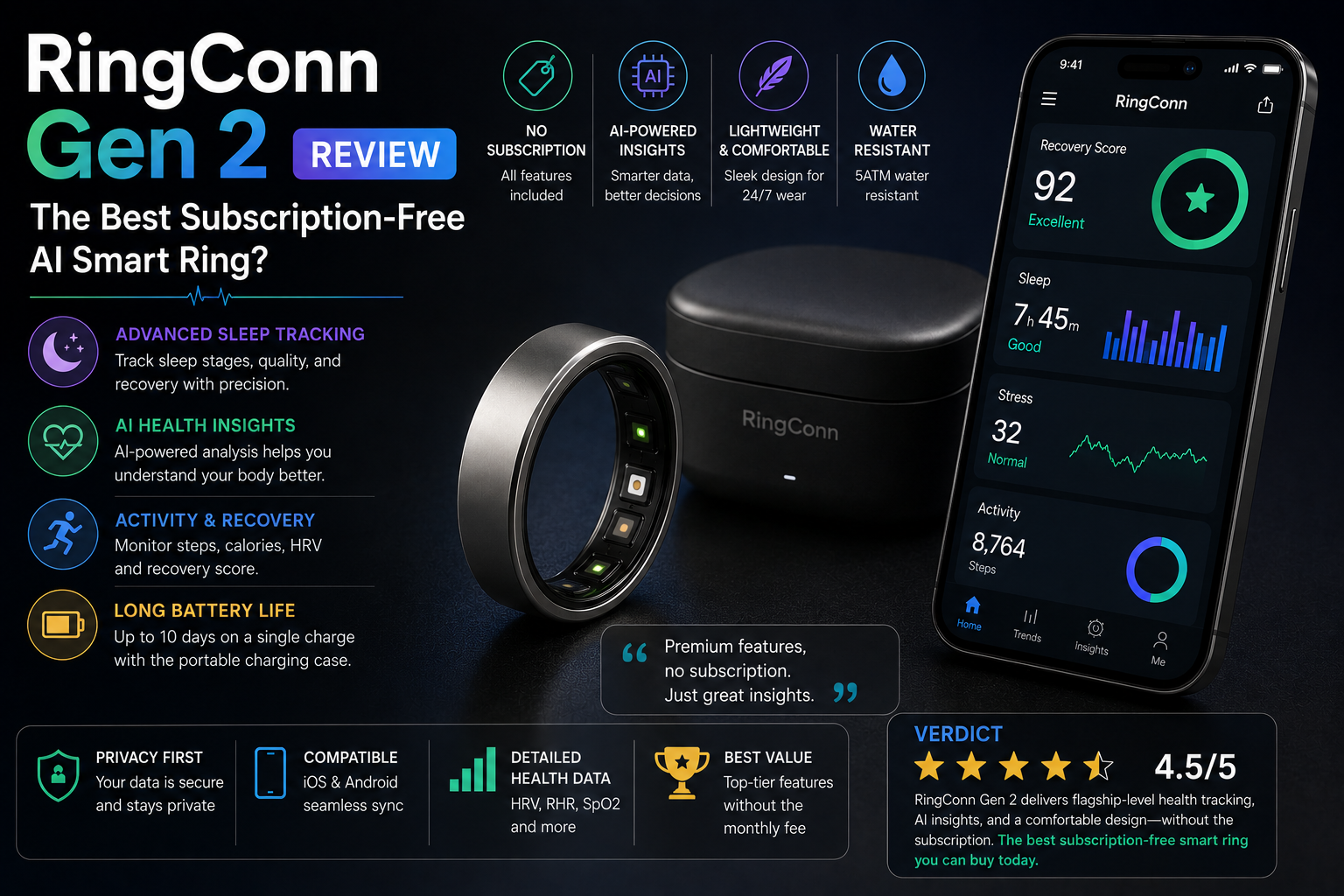
An AI Ring is a wearable smart ring equipped with sensors that continuously collect biometric data throughout the day and night.
These devices typically monitor:
- Heart rate
- Heart rate variability (HRV)
- Sleep quality
- Activity levels
- Body temperature trends
- Stress indicators
- Recovery metrics
Artificial intelligence analyzes this information and provides insights that help users better understand their overall wellness.
Rather than simply displaying numbers, AI Rings focus on identifying patterns and offering actionable recommendations.
Why Recovery Tracking Has Become So Popular
Many people are discovering that performance and wellness depend just as much on recovery as they do on effort.
For years, fitness technology focused primarily on:
- Steps
- Calories burned
- Workout duration
Modern wellness tracking takes a different approach.
Instead of asking, “How much did you do today?” AI Rings often ask:
- How well did you recover?
- How prepared is your body today?
- Are you experiencing excessive strain?
- Do you need additional rest?
This shift toward recovery-focused wellness has made AI Rings particularly attractive to health-conscious users.
How AI Rings Measure Recovery
Recovery cannot be measured directly through a single sensor.
Instead, AI Rings evaluate multiple physiological signals and combine them into recovery scores and readiness metrics.
Heart Rate Variability (HRV)
HRV is one of the most important indicators of recovery.
It measures the variation in time between heartbeats.
Generally:
- Higher HRV suggests better recovery and resilience.
- Lower HRV may indicate stress, fatigue, or insufficient recovery.
AI Rings continuously track HRV and analyze long-term trends.
Resting Heart Rate
A lower resting heart rate is often associated with better fitness and recovery.
Elevated resting heart rates can indicate:
- Stress
- Illness
- Overtraining
- Poor sleep
Changes from personal baseline are often more meaningful than isolated readings.
Sleep Quality
Sleep is one of the body’s most important recovery processes.
AI Rings monitor:
- Sleep duration
- Deep sleep
- REM sleep
- Sleep efficiency
- Sleep consistency
Poor sleep frequently leads to lower recovery scores and reduced readiness.
Body Temperature Trends
Temperature changes may indicate:
- Physical strain
- Recovery challenges
- Illness
- Physiological stress
AI systems analyze temperature trends alongside other metrics to improve recovery assessments.
Recovery Scores Explained
Many AI Rings generate a daily recovery or readiness score.
These scores typically combine:
- HRV
- Resting heart rate
- Sleep quality
- Temperature data
- Activity levels
The purpose of these scores is to help users understand whether their body is:
Fully Recovered
The body appears ready for normal or increased activity.
Moderately Recovered
Recovery is adequate but may require some caution.
Under Strain
Additional rest and recovery may be beneficial.
Recovery scores help users make more informed decisions about exercise, work demands, and daily activities.
AI-Powered Wellness Insights
Artificial intelligence plays a critical role in wellness monitoring.
Without AI, users would simply see large amounts of raw data.
AI systems help by:
Learning Personal Baselines
Every individual has unique physiological patterns.
AI learns what is normal for each user.
Detecting Trends
The system identifies meaningful changes over time.
Providing Recommendations
Users may receive guidance such as:
- Prioritize sleep tonight
- Reduce workout intensity
- Schedule a recovery day
- Manage stress levels
- Increase activity gradually
Personalizing Insights
Recommendations become more accurate as the system collects more data.
Sleep and Recovery
Sleep and recovery are closely connected.
AI Rings often reveal that poor recovery is linked to:
- Insufficient sleep
- Inconsistent bedtimes
- Frequent awakenings
- Reduced deep sleep
By tracking sleep continuously, users can identify behaviors that improve or reduce recovery quality.
Many people find that sleep improvements lead to noticeable increases in energy, performance, and overall wellness.
Stress and Wellness Monitoring
Stress affects nearly every aspect of health.
AI Rings monitor physiological indicators associated with stress, including:
- HRV
- Heart rate
- Sleep quality
- Recovery trends
When stress levels rise, recovery often declines.
By identifying these patterns early, users can make proactive adjustments before stress significantly affects their well-being.
Wellness Beyond Fitness
Although athletes frequently use AI Rings, wellness tracking benefits many different users.
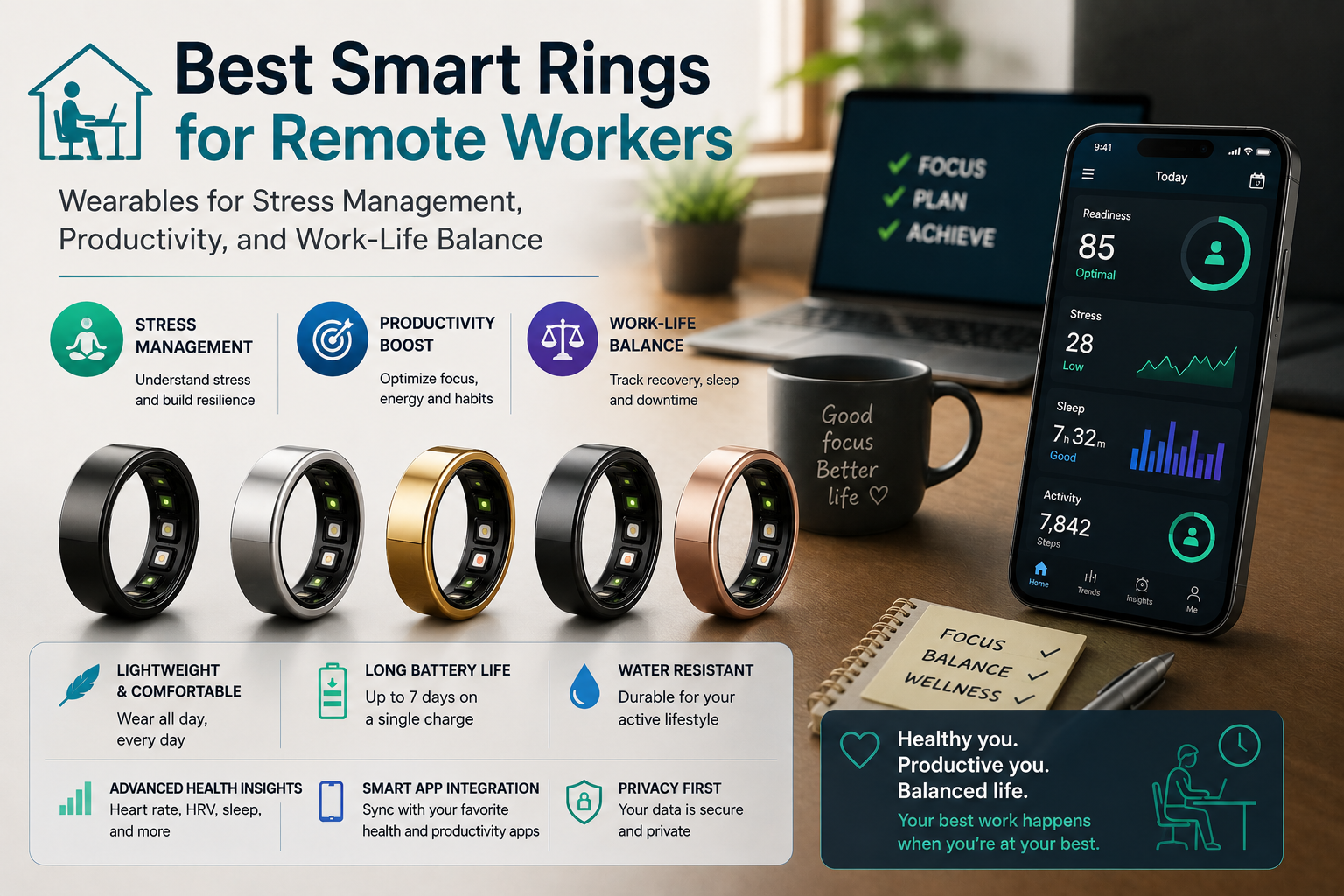
Professionals
Managing stress and maintaining energy throughout busy work schedules.
Students
Supporting focus, learning, and healthy routines.
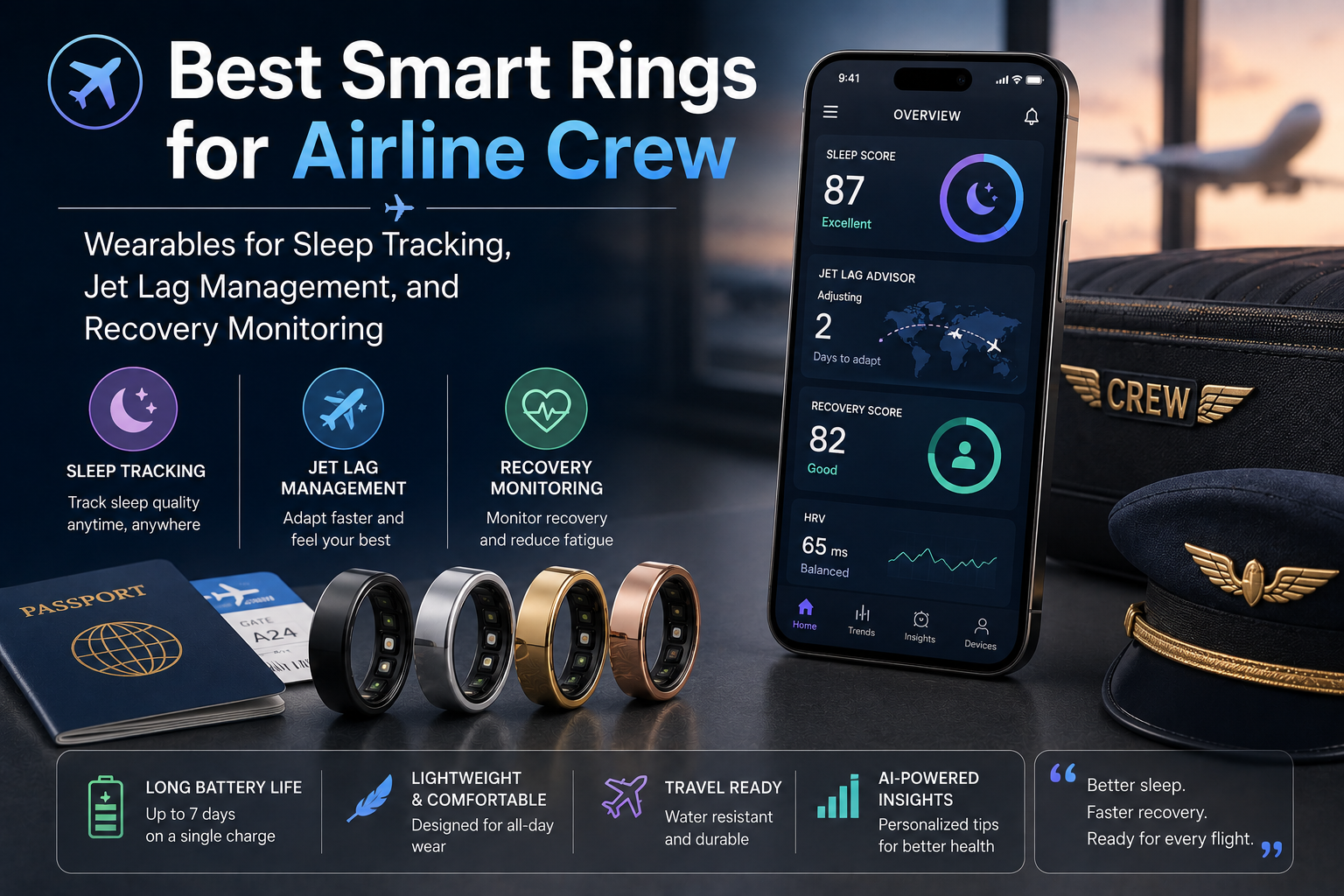
Frequent Travelers
Monitoring recovery during travel and jet lag.
Health-Conscious Individuals
Understanding how lifestyle choices affect overall wellness.
Older Adults
Tracking wellness trends and recovery patterns over time.
The value of recovery monitoring extends far beyond sports performance.
Benefits of AI Rings for Recovery and Wellness
Continuous Monitoring
AI Rings provide 24/7 data collection without requiring constant interaction.
Comfortable Wearability
The lightweight design makes them easy to wear throughout the day and night.
Personalized Health Insights
Artificial intelligence adapts recommendations to each individual.
Improved Self-Awareness
Users gain a deeper understanding of how habits affect recovery and wellness.
Better Lifestyle Decisions
Data-driven insights encourage healthier choices and more balanced routines.
Limitations of Recovery Tracking
While AI Rings are powerful tools, they are not perfect.
Recovery Is Complex
Many factors influence recovery, including nutrition, hydration, and emotional well-being.
Not Medical Devices
Most AI Rings are intended for wellness monitoring rather than medical diagnosis.
Individual Differences Matter
Recovery responses vary significantly between people.
Data Requires Context
A low recovery score should be considered alongside other factors rather than viewed in isolation.
Users should focus on long-term trends rather than reacting to individual daily measurements.
The Future of Recovery Monitoring
AI-powered wellness technology continues to advance rapidly.
Future AI Rings may include:
- More accurate recovery forecasting
- Predictive wellness alerts
- Advanced stress modeling
- Personalized health coaching
- Expanded biometric monitoring
- Medical-grade wellness features
As artificial intelligence becomes more sophisticated, AI Rings are likely to become even more effective at helping users optimize recovery and maintain long-term health.
Final Thoughts
AI Rings have transformed recovery and wellness tracking by combining advanced sensors with artificial intelligence. These devices monitor key physiological signals such as heart rate variability, resting heart rate, sleep quality, and temperature trends to provide a detailed picture of how the body is functioning.
For individuals looking to improve health, manage stress, optimize performance, or simply build healthier habits, AI Rings offer valuable insights that go far beyond basic fitness tracking. By helping users understand when to push harder and when to prioritize recovery, these smart wearables are becoming powerful tools for achieving better overall wellness.