AI Rings have become increasingly popular for tracking sleep, recovery, heart rate, stress, and overall wellness. As these wearable devices become more advanced, many people wonder whether they can do more than simply monitor health habits. One of the most common questions is: Can AI Rings actually detect illness?
The answer is both yes and no.
AI Rings cannot diagnose diseases the way a healthcare professional can, nor are most of them approved as medical diagnostic devices. However, they can often identify physiological changes that may occur before a person notices symptoms. These changes can serve as early warning signs that something in the body may be different than usual.
In this article, we’ll explore how AI Rings monitor health, what signs of illness they may detect, their limitations, and what the future may hold for wearable health technology.
How AI Rings Monitor the Body
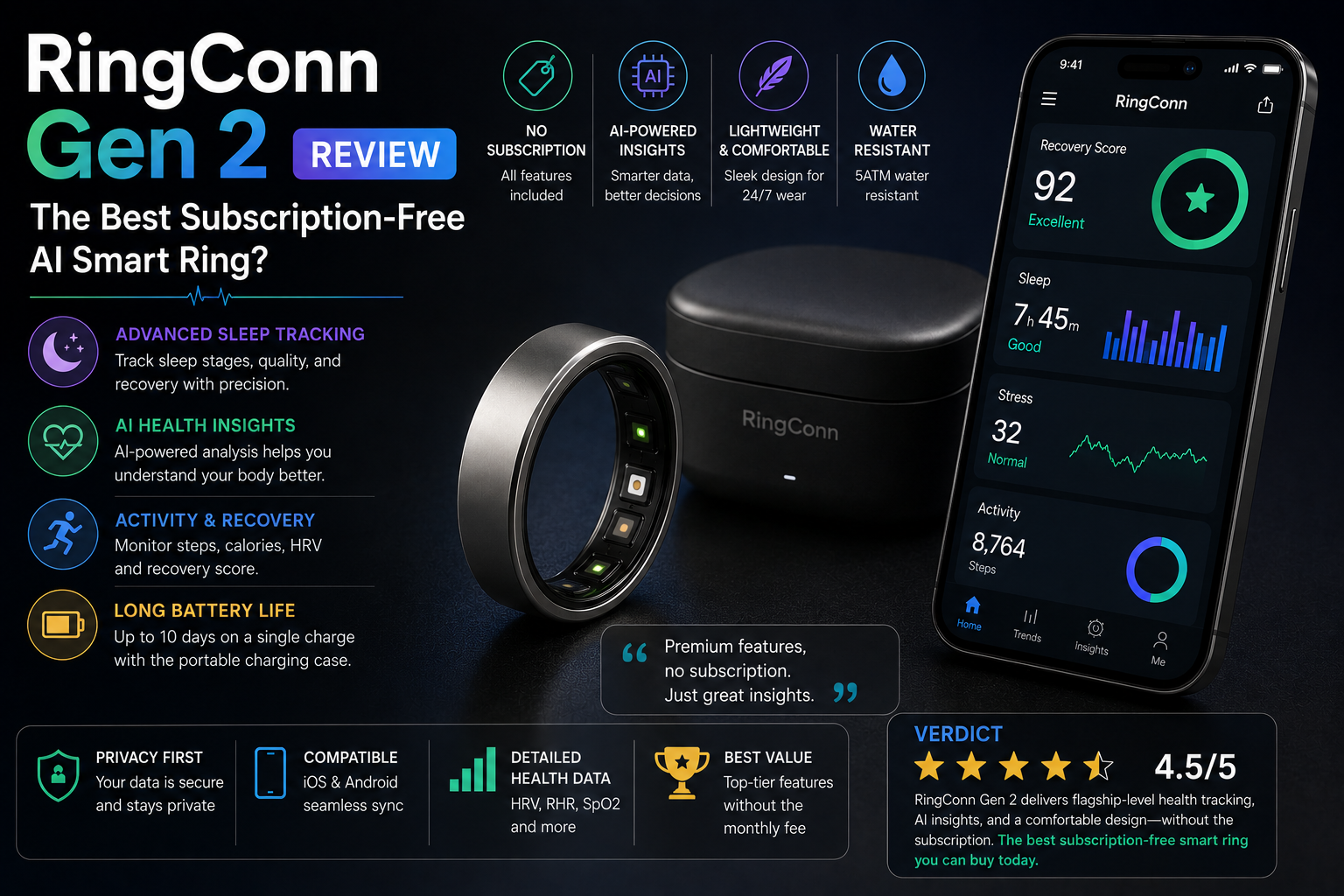
AI Rings continuously collect biometric data through a combination of sensors and artificial intelligence.
Common measurements include:
- Heart rate
- Resting heart rate
- Heart rate variability (HRV)
- Sleep quality
- Recovery metrics
- Activity levels
- Body temperature trends
- Blood oxygen levels (on some devices)
The ring analyzes these measurements and compares them against your normal baseline.
Because AI Rings collect data continuously, they can identify subtle changes that may not be obvious to the user.
What Happens When the Body Becomes Ill?
When the body begins fighting an infection or experiencing physiological stress, several measurable changes often occur.
These may include:
- Elevated resting heart rate
- Reduced heart rate variability
- Increased body temperature
- Poor sleep quality
- Reduced recovery scores
- Increased fatigue
- Changes in breathing patterns
AI Rings are designed to detect many of these signals.
While the device cannot determine the specific cause, it may recognize that the body is under unusual strain.
Body Temperature Changes
One of the most useful indicators of potential illness is body temperature.
Many AI Rings monitor skin temperature trends throughout the day and night.
Instead of focusing on a single temperature reading, AI systems analyze:
- Long-term temperature patterns
- Deviations from personal baseline
- Overnight temperature changes
A noticeable increase in temperature may indicate:
- Infection
- Inflammation
- Recovery challenges
- Physiological stress
Because every individual has unique temperature patterns, AI-based trend analysis is often more valuable than isolated measurements.
Resting Heart Rate and Illness
Resting heart rate frequently rises when the body is fighting illness.
AI Rings continuously monitor heart rate and can identify unusual increases.
For example:
- A resting heart rate that is significantly higher than normal
- Sustained elevations over multiple days
- Changes that occur without increased activity
These signals may indicate that the body is working harder than usual.
Many users report receiving unusual recovery or readiness scores shortly before recognizing illness symptoms.
Heart Rate Variability (HRV)
Heart Rate Variability, or HRV, is another important wellness metric.
HRV measures the variation in time between heartbeats.
Generally:
- Higher HRV is associated with recovery and resilience.
- Lower HRV may indicate stress, fatigue, or illness.
When illness develops, HRV often declines as the body experiences increased physiological strain.
AI Rings use HRV trends as one of their key indicators when assessing wellness and recovery.
Sleep Changes and Early Warning Signs
Illness frequently affects sleep quality.
AI Rings monitor:
- Sleep duration
- Sleep efficiency
- Deep sleep
- REM sleep
- Overnight movement
Changes in sleep patterns may appear before noticeable symptoms.
For example:
- Increased restlessness
- Reduced deep sleep
- Frequent awakenings
- Lower recovery scores
These signals may indicate that the body is responding to an internal challenge.
Recovery Scores and Wellness Monitoring
Many AI Rings generate daily recovery or readiness scores.
These scores combine information from:
- HRV
- Heart rate
- Sleep quality
- Temperature trends
- Activity levels
When multiple metrics shift simultaneously, the AI may detect a significant decline in recovery.
The system may recommend:
- Additional rest
- Reduced exercise intensity
- Prioritizing sleep
- Monitoring symptoms
Although the ring does not diagnose illness, it can encourage users to pay closer attention to their health.
Can AI Rings Detect Specific Diseases?
This is where limitations become important.
AI Rings cannot determine whether a person has:
- Influenza
- COVID-19
- A bacterial infection
- A chronic disease
- A specific medical condition
The device only detects physiological changes associated with those conditions.
Many different factors can produce similar changes, including:
- Stress
- Poor sleep
- Intense exercise
- Travel
- Dehydration
- Emotional strain
Because of this, AI Rings should never be considered diagnostic tools.
What Research Has Shown
Several studies have explored how wearable devices can identify physiological changes associated with illness.
Researchers have found that metrics such as:
- Resting heart rate
- HRV
- Body temperature
- Sleep patterns
may change before users become aware of symptoms.
This has generated significant interest in wearable technology as a tool for early health awareness.
However, detecting physiological changes is very different from diagnosing disease.
Further research is ongoing.
Benefits of Early Awareness
Even without diagnosing illness, AI Rings can provide valuable benefits.
Earlier Attention to Health
Users may notice unusual trends before symptoms become obvious.
Better Recovery Decisions
The ring may encourage additional rest during periods of physiological strain.
Improved Self-Awareness
Continuous monitoring helps users understand how their body responds to various stressors.
Long-Term Health Tracking
Historical data allows users to identify recurring patterns and wellness trends.
Limitations of Illness Detection
It is important to understand what AI Rings cannot do.
They Are Not Medical Devices
Most AI Rings are designed for wellness monitoring rather than medical diagnosis.
False Alarms Can Occur
Stress, travel, poor sleep, and exercise can produce changes similar to illness.
Individual Responses Vary
Not everyone responds to illness in the same way.
No Definitive Diagnosis
The ring cannot determine the exact cause of physiological changes.
Users should always consult healthcare professionals when experiencing symptoms or health concerns.
Who Can Benefit from AI Ring Health Monitoring?
Health-Conscious Individuals
People interested in tracking long-term wellness trends.
Athletes
Monitoring recovery can help identify excessive strain or illness risk.
Busy Professionals
Early awareness of physiological stress may support better recovery decisions.
Frequent Travelers
Travel often affects sleep, recovery, and immune function.
Older Adults
Continuous monitoring can provide additional wellness insights.
The Future of AI Rings and Illness Detection
Wearable health technology continues to evolve rapidly.
Future AI Rings may offer:
- More advanced health monitoring
- Improved predictive wellness alerts
- Better physiological modeling
- Enhanced recovery forecasting
- Medical-grade biometric measurements
- Integration with healthcare platforms
Researchers are exploring ways to use AI and wearable data to identify potential health issues earlier and more accurately.
While true disease diagnosis remains the role of healthcare professionals, AI Rings may become increasingly valuable tools for proactive health monitoring.
Final Thoughts
AI Rings cannot diagnose illnesses, but they can often detect physiological changes that may signal that something is affecting the body. By monitoring heart rate, heart rate variability, sleep quality, temperature trends, and recovery metrics, these devices can identify unusual patterns that warrant attention.
Their greatest value lies in early awareness rather than diagnosis. AI Rings help users recognize when their body may be under stress, recovering poorly, or responding differently than normal. As wearable technology and artificial intelligence continue to improve, AI Rings are likely to play an even greater role in helping people monitor their health and make informed wellness decisions.