Athletes are constantly searching for ways to improve performance, accelerate recovery, and reduce the risk of injury. While training intensity, nutrition, and sleep have always been important, modern technology has introduced a new tool that is changing how athletes monitor their bodies: AI Rings.
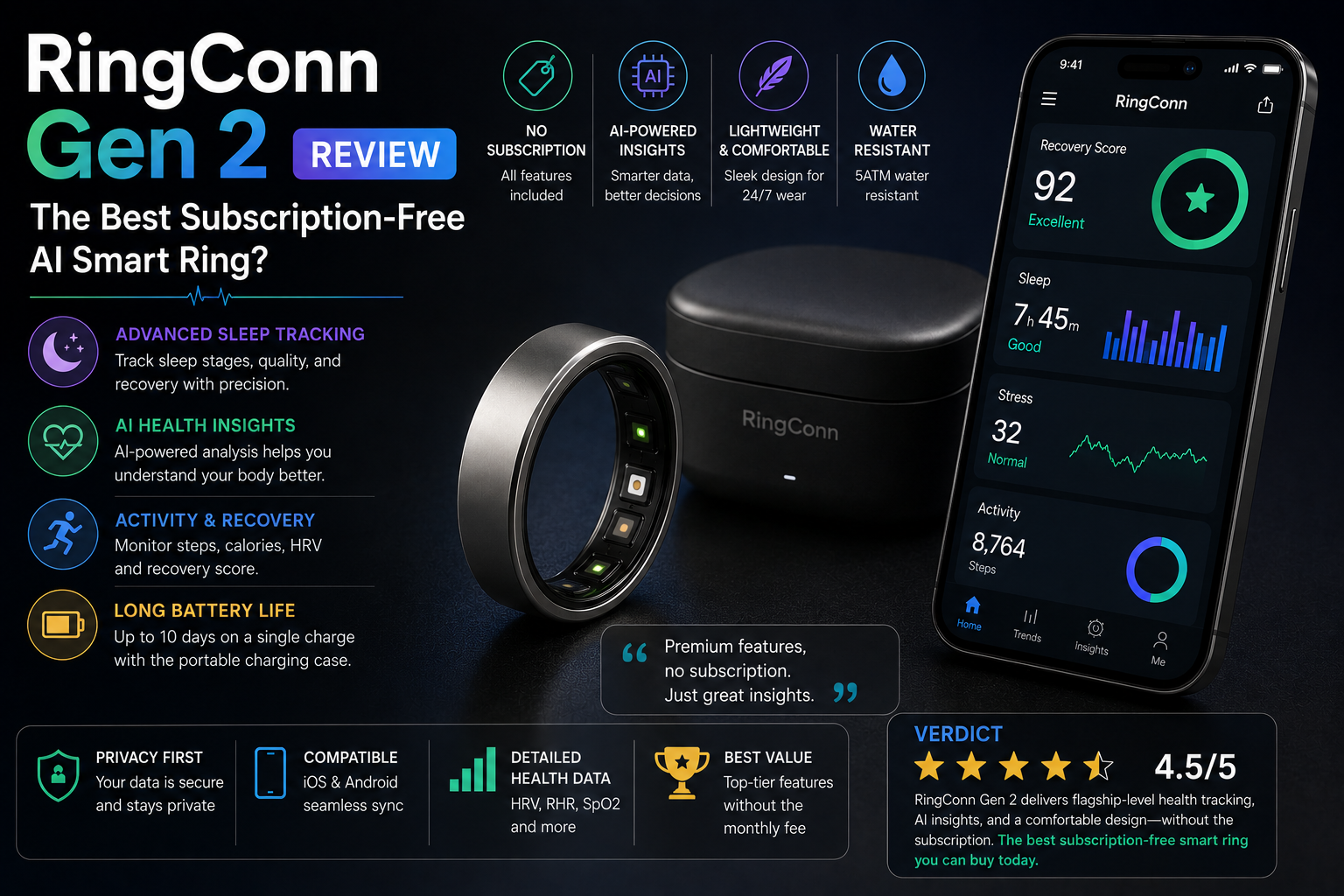
These compact wearable devices combine advanced biometric sensors with artificial intelligence to provide insights into recovery, readiness, sleep quality, heart rate, stress, and overall wellness. Unlike traditional fitness trackers that focus primarily on workouts, AI Rings help athletes understand what happens between training sessions—when recovery and adaptation occur.
In this guide, we’ll explore how AI Rings benefit athletes, what metrics they track, and how AI-powered insights can support better performance and long-term health.
Why Recovery Is Critical for Athletes
Many athletes focus heavily on training, but performance improvements actually occur during recovery.
When recovery is insufficient, athletes may experience:
- Fatigue
- Reduced performance
- Poor sleep
- Increased injury risk
- Higher stress levels
- Overtraining symptoms
Understanding recovery status helps athletes balance training intensity with adequate rest.
This is one of the primary reasons AI Rings have become popular among both amateur and professional athletes.
What Is an AI Ring?
An AI Ring is a wearable smart ring equipped with sensors that continuously collect biometric data throughout the day and night.
Most AI Rings monitor:
- Heart rate
- Heart rate variability (HRV)
- Sleep quality
- Activity levels
- Recovery metrics
- Stress indicators
- Body temperature trends
Artificial intelligence analyzes this information and provides personalized insights that help users understand how their body is responding to training and daily demands.
Why Athletes Choose AI Rings
Several factors make AI Rings particularly attractive for athletes.
Comfortable 24/7 Wear
Unlike bulky watches or chest straps, AI Rings are lightweight and discreet.
Many athletes wear them continuously, including during sleep.
Focus on Recovery
Most fitness devices emphasize activity tracking.
AI Rings place greater emphasis on:
- Recovery
- Sleep
- Readiness
- Wellness
These metrics often have a greater impact on long-term performance than daily workout statistics.
Continuous Monitoring
AI Rings collect data around the clock, providing a more complete picture of an athlete’s physiological state.
Heart Rate Monitoring for Athletes
Heart rate is one of the most important performance indicators.
AI Rings continuously track:
- Resting heart rate
- Daily heart rate trends
- Overnight heart rate
- Recovery heart rate patterns
Why It Matters
Changes in resting heart rate may indicate:
- Improved fitness
- Recovery progress
- Elevated stress
- Illness
- Overtraining
Monitoring long-term trends helps athletes make smarter training decisions.
Heart Rate Variability (HRV)
Heart Rate Variability has become one of the most valuable metrics for athletes.
What Is HRV?
HRV measures the variation in time between heartbeats.
Higher HRV is often associated with:
- Good recovery
- Lower stress
- Better readiness
Lower HRV may indicate:
- Fatigue
- Physiological strain
- Insufficient recovery
Why Athletes Use HRV
HRV helps athletes determine whether the body is ready for:
- High-intensity training
- Moderate workouts
- Recovery sessions
- Additional rest
Many coaches and sports scientists consider HRV one of the best indicators of recovery status.
Sleep Tracking for Athletic Performance
Sleep is one of the most important components of athletic recovery.
AI Rings monitor:
- Sleep duration
- Deep sleep
- REM sleep
- Sleep efficiency
- Sleep consistency
Benefits of Sleep Tracking
Better sleep supports:
- Muscle recovery
- Hormonal balance
- Cognitive performance
- Injury prevention
- Athletic adaptation
Many athletes discover that sleep quality directly affects their readiness scores and overall performance.
Recovery Scores and Readiness Monitoring
One of the most popular features of AI Rings is the daily recovery or readiness score.
These scores typically combine:
- HRV
- Resting heart rate
- Sleep quality
- Body temperature
- Activity levels
The AI analyzes these factors and estimates how prepared the body is for physical exertion.
High Readiness
May indicate suitability for:
- Intense training
- Competitive events
- High workloads
Low Readiness
May suggest:
- Additional recovery
- Reduced training intensity
- Prioritizing sleep and wellness
This information helps athletes avoid pushing too hard when recovery is incomplete.
Preventing Overtraining
Overtraining can significantly impact athletic performance.
Symptoms may include:
- Persistent fatigue
- Reduced performance
- Sleep disturbances
- Increased injury risk
- Elevated resting heart rate
AI Rings can identify early signs of excessive physiological strain by monitoring:
- HRV declines
- Elevated heart rate
- Poor recovery scores
- Sleep disruptions
Early awareness allows athletes to adjust training before problems become more serious.
Stress Monitoring and Athletic Performance
Athletic performance is influenced by more than physical training.
Work stress, travel, relationships, and daily responsibilities can affect recovery and readiness.
AI Rings monitor physiological indicators associated with stress, including:
- HRV
- Heart rate
- Sleep quality
- Recovery metrics
This helps athletes understand how non-training factors affect performance.
Body Temperature Trends
Many AI Rings monitor skin temperature changes.
Temperature trends may provide insights into:
- Recovery quality
- Physiological strain
- Illness risk
- Adaptation to training loads
When combined with other metrics, temperature data helps improve overall recovery analysis.
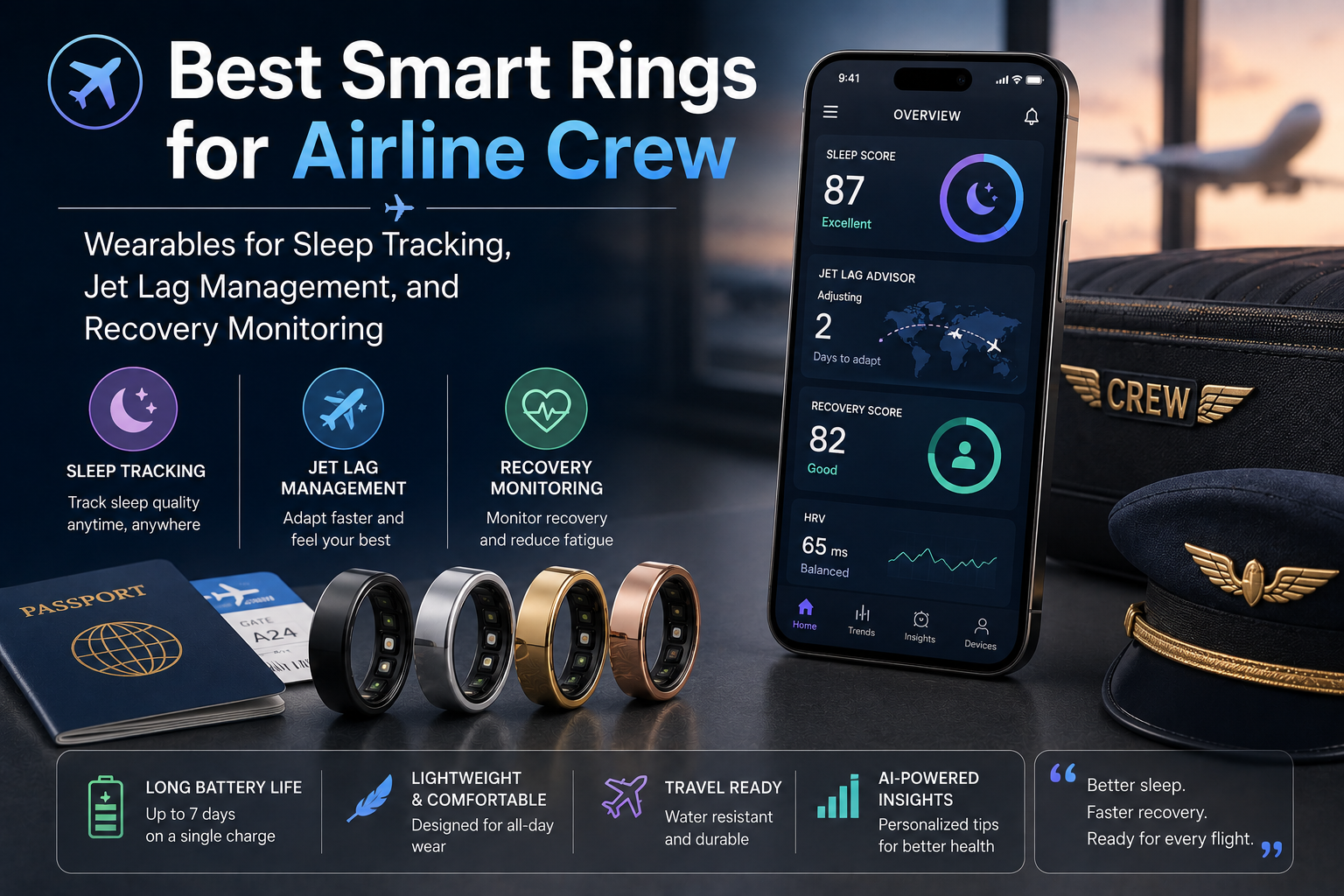
Travel and Competition Preparation
Athletes frequently travel for competitions, training camps, and events.
Travel can disrupt:
- Sleep
- Recovery
- Hydration
- Circadian rhythms
AI Rings help athletes monitor how travel affects recovery and wellness.
Many athletes use readiness scores to guide training intensity after long trips or schedule changes.
AI-Powered Performance Insights
Artificial intelligence is what makes modern smart rings particularly valuable.
The AI system can:
Learn Individual Baselines
Every athlete has unique physiological patterns.
Detect Trends
The system identifies meaningful changes over time.
Provide Recommendations
Examples include:
- Prioritize recovery today
- Reduce training intensity
- Focus on sleep tonight
- Schedule an easier session
Personalize Guidance
Insights become increasingly tailored as more data is collected.
This level of personalization helps athletes make informed decisions based on their own physiology rather than generic guidelines.
Which Athletes Can Benefit?
Endurance Athletes
Runners, cyclists, swimmers, and triathletes often use recovery metrics extensively.
Strength Athletes
Weightlifters and powerlifters benefit from readiness tracking and recovery monitoring.
Team Sport Athletes
Football, basketball, soccer, hockey, and rugby players can use wellness data to support consistent performance.
Recreational Athletes
Even non-competitive athletes can benefit from better recovery awareness and improved sleep habits.
Limitations of AI Rings for Athletes
Although AI Rings are powerful tools, they have limitations.
Not a Replacement for Coaching
Data should complement—not replace—professional coaching and training plans.
Recovery Is Complex
Nutrition, hydration, mental health, and lifestyle factors all influence recovery.
Not Medical Devices
AI Rings are wellness devices rather than diagnostic medical tools.
Trends Matter More Than Single Scores
Athletes should focus on long-term patterns rather than reacting to one day’s data.
Understanding these limitations helps users gain the most value from the technology.
The Future of AI Rings in Sports
Wearable technology continues to evolve rapidly.
Future AI Rings may offer:
- More advanced recovery forecasting
- Real-time training recommendations
- Improved stress modeling
- Enhanced injury-risk assessment
- Personalized coaching insights
- Expanded biometric monitoring
As artificial intelligence becomes more sophisticated, AI Rings are likely to become even more valuable tools for performance optimization.
Final Thoughts
AI Rings have become powerful tools for athletes seeking a deeper understanding of recovery, readiness, and overall wellness. By tracking heart rate, heart rate variability, sleep quality, stress, body temperature, and recovery trends, these devices provide insights that help athletes train smarter rather than simply harder.
For athletes focused on performance, longevity, and consistent improvement, AI Rings offer a unique combination of continuous monitoring and AI-powered analysis. While they are not a replacement for good coaching, proper nutrition, or effective training plans, they can provide valuable information that supports better decisions and more effective recovery. In modern sports performance, understanding recovery is often just as important as tracking the workout itself.