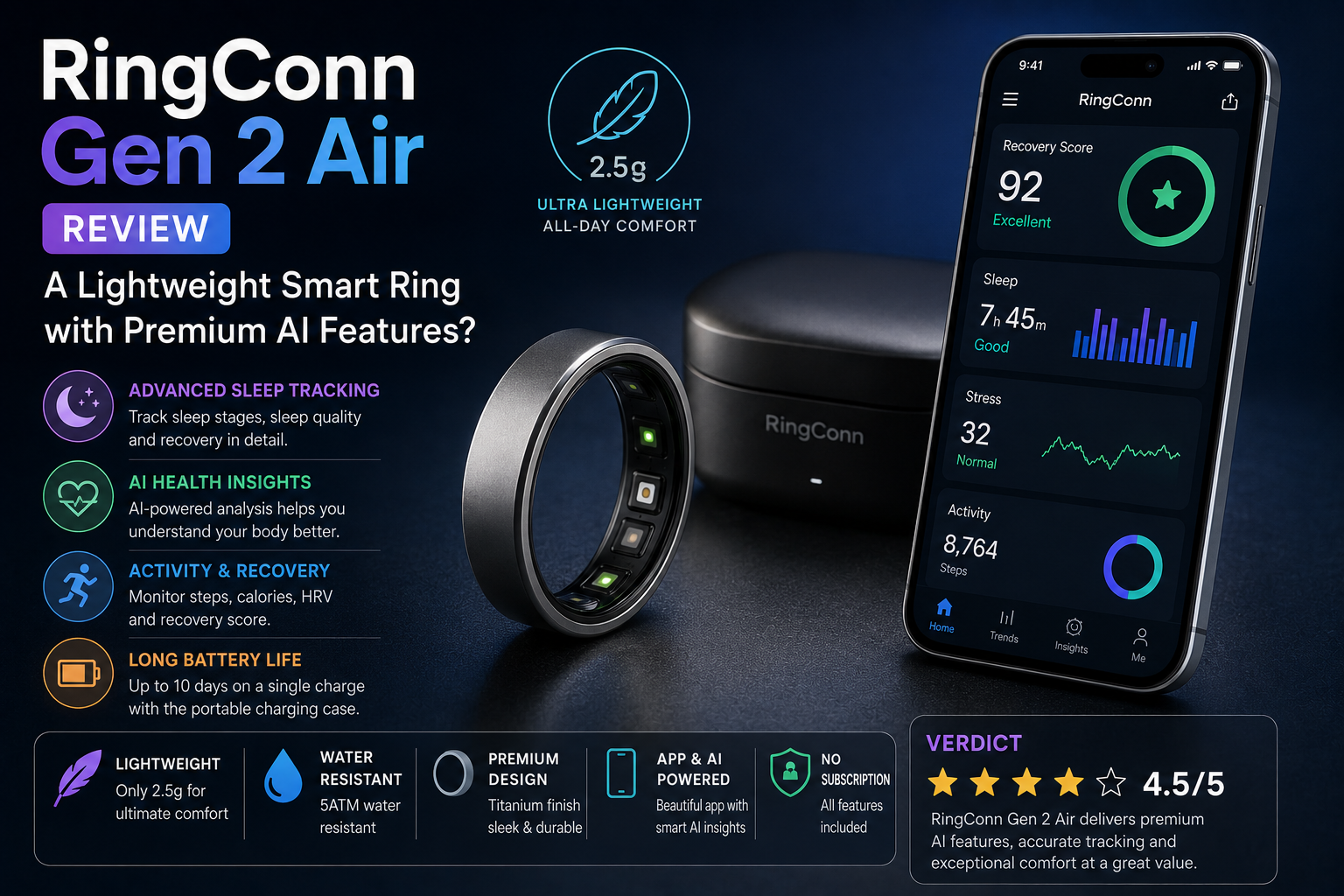
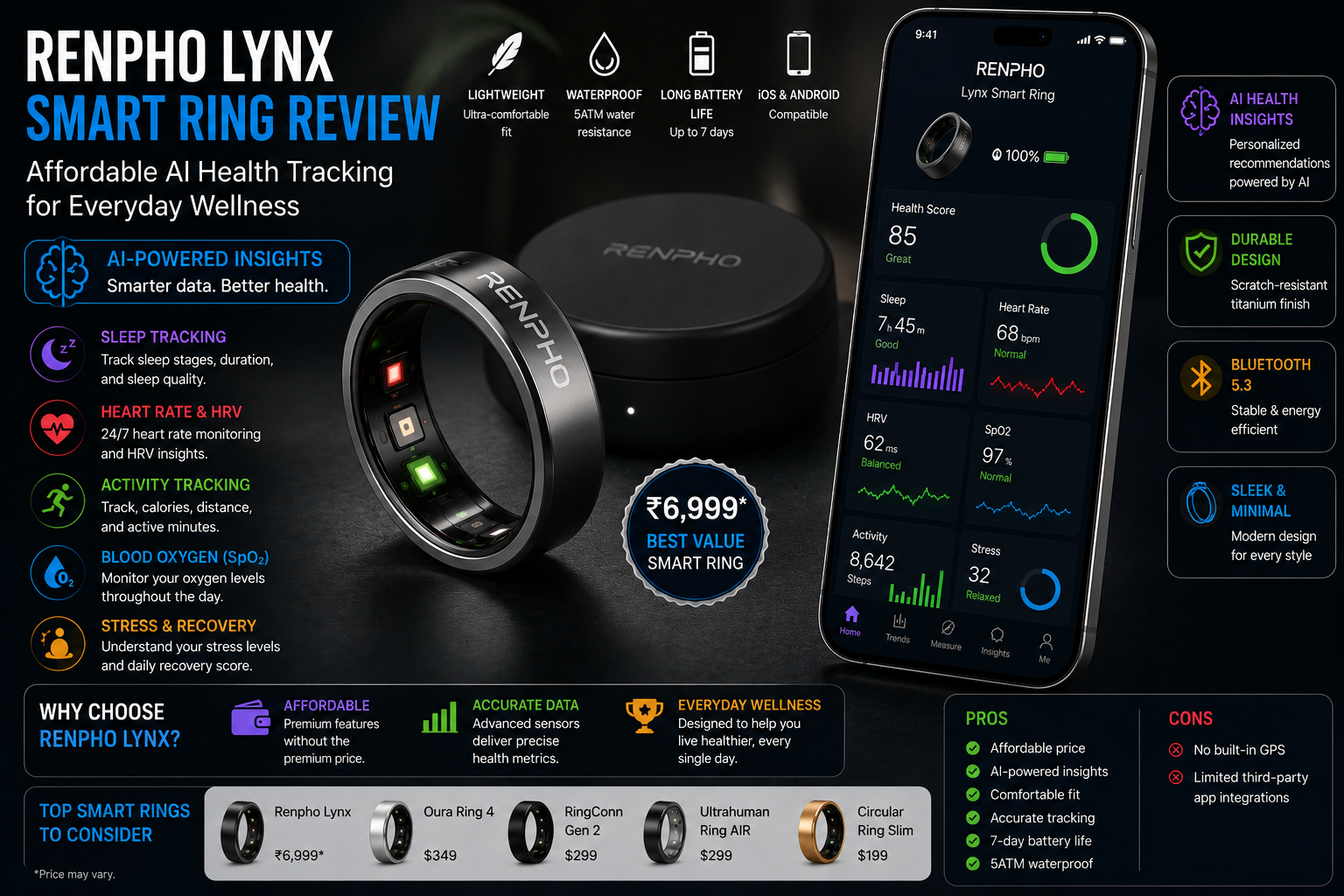
Stress has become a common part of modern life. Whether it comes from work, family responsibilities, travel, exercise, or daily challenges, prolonged stress can affect both physical and mental well-being. While occasional stress is normal, chronic stress can contribute to fatigue, poor sleep, reduced productivity, and long-term health concerns.
This is one reason why AI Rings have gained significant attention. These wearable devices use advanced sensors and artificial intelligence to monitor physiological signals associated with stress, helping users better understand how their bodies respond to daily demands.
In this guide, we’ll explore how AI Rings monitor stress, what metrics they use, the benefits of stress tracking, and how AI-powered insights can help improve overall wellness.
Why Stress Monitoring Matters
Many people recognize stress only when it becomes overwhelming. However, the body often shows signs of stress long before we consciously notice them.
Stress can influence:
- Sleep quality
- Heart rate
- Recovery
- Focus and concentration
- Mood
- Energy levels
- Physical performance
By monitoring these physiological signals, AI Rings can provide early awareness of stress patterns and help users make proactive adjustments before stress negatively impacts their health.
What Is an AI Ring?
An AI Ring is a wearable smart ring equipped with sensors that continuously collect biometric data throughout the day and night.
Using artificial intelligence and machine learning, the ring analyzes this information and provides insights into:
- Sleep
- Recovery
- Activity
- Wellness
- Stress levels
Unlike traditional fitness trackers that focus mainly on activity metrics, AI Rings often emphasize long-term wellness and recovery analysis.
Can AI Rings Actually Measure Stress?
AI Rings do not directly measure emotions or psychological stress.
Instead, they analyze physiological indicators that often change when the body experiences stress.
These indicators may include:
- Heart rate
- Heart rate variability (HRV)
- Sleep quality
- Body temperature trends
- Activity levels
- Recovery metrics
By combining multiple data points, AI algorithms estimate how much strain the body may be experiencing.
This approach provides a useful picture of physical stress and recovery, even though it cannot fully capture emotional experiences.
Heart Rate Variability: The Key Stress Metric
One of the most important measurements used in stress monitoring is Heart Rate Variability (HRV).
What Is HRV?
HRV measures the variation in time between consecutive heartbeats.
Although the heart may beat at a steady average rate, the interval between beats naturally varies.
Why HRV Matters
Higher HRV is often associated with:
- Better recovery
- Lower stress
- Stronger resilience
- Improved nervous system balance
Lower HRV may indicate:
- Elevated stress
- Fatigue
- Poor recovery
- Increased physical strain
Many AI Rings use HRV as a primary indicator when estimating stress levels.
Heart Rate Monitoring and Stress
Stress frequently causes increases in resting heart rate.
AI Rings continuously monitor heart rate throughout the day and night to identify unusual changes.
The system may detect:
- Elevated resting heart rate
- Prolonged periods of increased heart activity
- Recovery delays following physical or mental strain
When combined with HRV data, heart rate measurements help create a more complete picture of overall stress levels.
Sleep and Stress Are Closely Connected
Sleep and stress influence each other in powerful ways.
Stress can reduce sleep quality, while poor sleep can increase stress levels.
AI Rings monitor:
- Sleep duration
- Sleep efficiency
- Deep sleep
- REM sleep
- Overnight recovery
The AI then analyzes how sleep patterns may be contributing to overall stress and readiness.
Many users discover that improving sleep habits leads to noticeable reductions in daily stress levels.
Temperature Trends and Stress Detection
Some AI Rings include temperature sensors that monitor changes in skin temperature.
While temperature alone does not indicate stress, unusual temperature patterns can sometimes reflect:
- Physical strain
- Recovery challenges
- Illness
- Physiological stress responses
AI systems combine temperature data with other metrics to improve the accuracy of stress estimates.
Recovery Scores and Stress Management
Most advanced AI Rings generate daily recovery or readiness scores.
These scores are often based on:
- HRV
- Resting heart rate
- Sleep quality
- Activity levels
- Temperature trends
Recovery scores help users understand whether their body is:
- Fully recovered
- Moderately stressed
- Under significant strain
This information can help guide decisions about exercise, workload, and rest.
How Artificial Intelligence Improves Stress Tracking
The “AI” component is what separates modern smart rings from simple health trackers.
Artificial intelligence helps by:
Identifying Personal Baselines
Every individual has different normal ranges for HRV, heart rate, and sleep.
AI learns what is typical for each user.
Detecting Patterns
The system recognizes trends that may indicate increasing stress.
Providing Recommendations
Rather than displaying raw numbers, AI Rings often suggest actions such as:
- Prioritizing sleep
- Taking recovery days
- Managing workload
- Practicing relaxation techniques
Improving Over Time
As more data is collected, recommendations become increasingly personalized.
Common Stress Insights Provided by AI Rings
Depending on the device, users may receive insights such as:
- Elevated stress detected
- Reduced recovery levels
- Increased physiological strain
- Sleep-related recovery issues
- Improved readiness following rest
- Long-term stress trends
These insights can help users understand how lifestyle choices affect overall wellness.
Benefits of Stress Monitoring with AI Rings
Increased Awareness
Many people underestimate their stress levels.
AI Rings provide objective data that may reveal hidden patterns.
Better Recovery Decisions
Understanding stress can help users avoid overtraining or burnout.
Improved Sleep Habits
Stress tracking often encourages healthier sleep routines.
Enhanced Productivity
Recognizing periods of high strain can help users manage energy more effectively.
Long-Term Wellness Tracking
AI Rings make it easier to identify trends over weeks and months rather than focusing only on daily fluctuations.
Who Can Benefit from Stress Monitoring?
Professionals
Busy work schedules often create ongoing mental strain.
Athletes
Monitoring recovery and stress can improve training decisions.
Students
Stress awareness can support academic performance and well-being.
Frequent Travelers
Travel-related fatigue and disrupted sleep often affect recovery.
Health-Conscious Individuals
Anyone interested in understanding their body’s responses can benefit from stress tracking.
Limitations of AI Stress Monitoring
Although AI Rings provide valuable insights, they have limitations.
Stress Is Complex
Physiological stress is only one aspect of the overall stress experience.
Not a Medical Diagnosis
AI Rings cannot diagnose anxiety disorders, depression, or other mental health conditions.
Individual Differences
Stress responses vary significantly between individuals.
Estimates, Not Measurements
Stress scores are calculated estimates based on multiple physiological signals.
Despite these limitations, AI Rings remain useful tools for wellness awareness.
Tips for Using AI Rings to Manage Stress
To get the most value from stress monitoring:
Wear the Ring Consistently
Continuous data collection improves accuracy.
Focus on Trends
Avoid overreacting to individual daily scores.
Prioritize Sleep
Sleep is one of the strongest factors affecting stress and recovery.
Use the Insights
The greatest value comes from making lifestyle adjustments based on the data.
Combine with Healthy Habits
Exercise, mindfulness, proper nutrition, and recovery practices work well alongside AI-powered monitoring.
The Future of Stress Monitoring
AI-powered stress monitoring continues to evolve.
Future developments may include:
- More accurate stress detection
- Real-time wellness alerts
- Personalized stress coaching
- Advanced recovery forecasting
- Integration with mental wellness platforms
- Improved emotional pattern recognition
As artificial intelligence becomes more sophisticated, wearable devices may provide increasingly useful guidance for managing daily stress.
Final Thoughts
AI Rings offer a powerful way to monitor physiological stress using heart rate variability, heart rate trends, sleep data, recovery metrics, and artificial intelligence. While they cannot directly measure emotions or diagnose mental health conditions, they provide valuable insights into how the body responds to daily challenges.
For individuals looking to improve wellness, recovery, productivity, and overall health, stress monitoring can be one of the most useful features of an AI Ring. By increasing awareness and encouraging healthier habits, these devices help users better understand their bodies and take proactive steps toward managing stress more effectively.